Defeating Despair

Over the past few weeks, I have heard the word despair mentioned in several places. And the beautiful thing is all of them have had the spirit of turning away from it—that we can no longer give it power. These gorgeous lines have stuck with me and surfaced together in moments when I am tempted to think goodness in hard places is impossible.

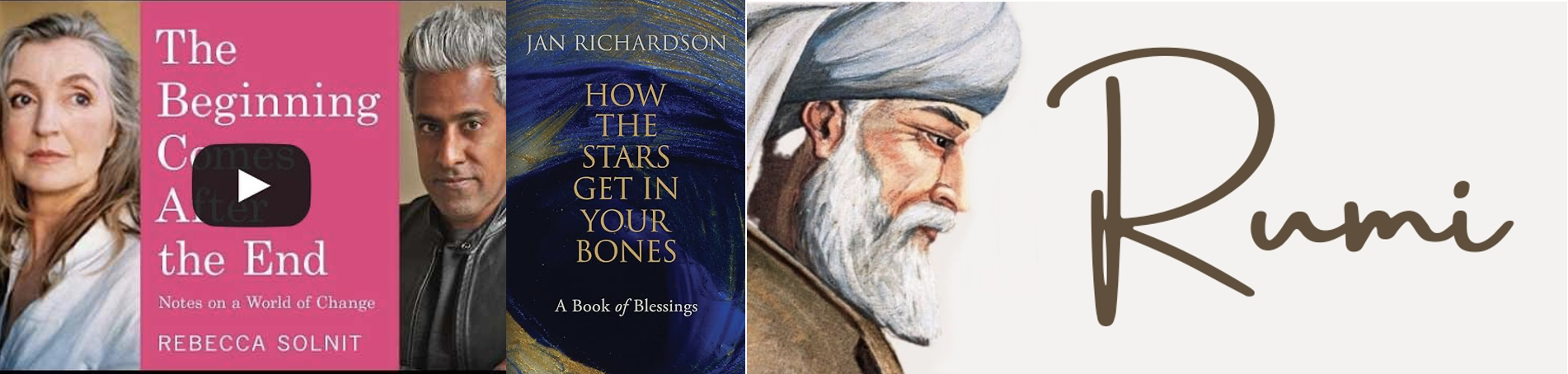
From Jan Richardson’s blessing entitled “And The Table Will Be Wide” found in her newest book How The Stars Get In Your Bones:

And we will open our hands

to the feast

without shame.

And we will turn

toward each other

without fear.

And we will give up

our appetite

for despair.

And we will taste

and know

of delight.

Then, last Sunday at Highlands Church here in Denver, co-pastor Rachael McClair opened the service with this short Rumi poem:

Come, come, whoever you are.

Wanderer, worshipper, lover of leaving.

It doesn’t matter.

Ours is not a caravan of despair.

Come, even if you have broken your vows a thousand times.

Come, yet again, come, come.

Finally, Anand Giridharadas’ interview with Rebecca Solnit this past week discusses her book The Beginning Comes After the End: Notes on a World of Change. In his intro to the interview (from his substack newsletter called The Ink!) he writes:

But we shouldn’t concede to Donald Trump power he doesn’t now have. We shouldn’t build up a weak man into a strongman through our fear.

My favorite quote from her book that Anand reads at the beginning of the interview reminds me that setback isn’t the same as defeat.

“The fury of the backlash is itself evidence of the significance of what was achieved. We have won so much.”

May we all, this coming Holy Week, turn away from the despair we are accustomed to, refuse to ride in its caravan and not concede power to darkness even when we struggle to see truth in the backlash!

Power Imbalances Between Parents & Children

Below is an excerpt from my second article on power in families out today on Substack. Read the full article for free here!

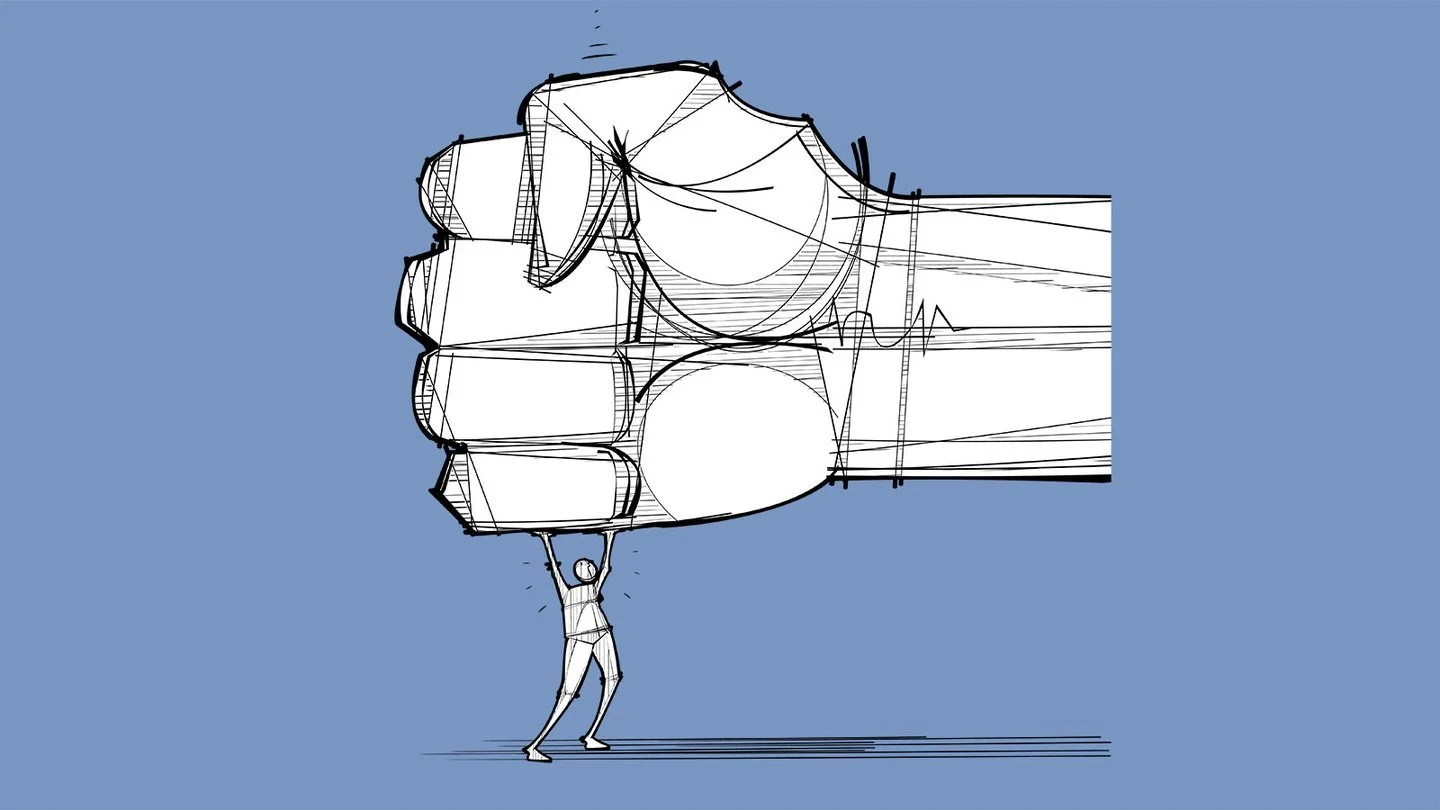
Healthy parents do not have a need for their child either to stay dependent and helpless, or to be completely self-reliant (p. 43). Instead, they can share power—a concept we embrace in the face of race and gender inequity but rarely consider in the power differential between caregivers and their children.

“Sharing power is more difficult than exercising power.” Althea Horner

Sharing power requires an attitude of trust and safety. Sharing power never comes with a sense of humiliation or defeat, especially when we need to relinquish it out of wisdom or have to bear not having it in the face of suffering. A child’s first sense of his or her own power comes largely from sharing the power of the primary caretaker to whom it is emotionally bonded (p. 30, 33-34).

Intrinsic Power

The first article of my new substack series is out! A few meaningful excerpts are below. Read the full article here and subscribe to receive new posts directly from substack!

Intrinsic power can be best described in terms of I am, I can, and I will.

  • “I am” means I have an identity.

  • I can” refers to a sense of mastery.

  • “I will” signals intentionality.

The intersection of both making our own choices and powerlessness over the choices of others is where so much of life (and suffering) happens. And in spiritual spaces it gets even more confusing because we have been taught that handing over power in our lives is what God is calling us to do in every life situation.

Kids grow into their intrinsic power in a thousand every day ways. Between the ages of two and six, it looks like saying no to a million different things and seeing what happens next. It’s developing preferences for food, play, people and our appearance. It’s discovering their favorite books, shows and music through wide exposure. It’s finding out what makes their body feel good in terms of touch with people and objects, how they receive comfort and what helps them relax. It’s learning how they delight the people they love and the ways they impact their connection with them. All of this happens through their bodies!

Kids having agency and autonomy over their bodies—within the limits of SAFETY and WELLNESS—is how they discover who they are in the world.

Power & Tyranny in "Good Families"

March & April Overview Now Available on Substack!

Over the next two months, we’re going to dive into the DNA underneath the “traditional” family model. When caregivers have unhealed trauma, this most often means authoritarian parenting fails to provide the freedom for kids to learn and young adults to grow into their intrinsic personal power. We’ll examine cultural (not Biblical) faith-based parenting that creates family dysfunction and results in fractured relationships when, decades later, adult children exercise their delayed agency to address the lack of respect from their own parents. In extreme cases—caregivers with extreme trauma who develop a personality disorder—we see how patriarchy shapes this family model into a home where abuse and neglect run rampant.